


News.

Recruiting in Morocco from Europe: How to Identify and Attract the Best Moroccan Executives and Managers
« Morocco has progressively established itself as one of the most attractive destinations for European companies seeking to expand their industrial, commercial and technological operations internationally. Its geographical proximity to Europe, modern infrastructure, relatively stable institutional environment, international trade agreements and highly qualified workforce make the country an attractive location for international investment.

Plant Manager Recruitment in Morocco: How to Hire an Experienced Industrial Leader
« Morocco has progressively established itself as a major industrial hub for European companies seeking to expand their operations close to their traditional markets. The growth of the automotive, aerospace, plastics, food processing, electrical equipment, chemical and industrial manufacturing sectors has significantly transformed the country’s demand for skilled professionals.

English-Speaking Africa: How to Recruit Executives and Senior Managers in Nigeria, Ghana and Kenya
« English-speaking Africa plays an increasingly important role in the international development strategies of European companies. Nigeria, Ghana and Kenya represent three particularly attractive markets for industrial groups, service providers, investors and international companies seeking to expand their operations across the African continent.

Morocco 2030: Which Sectors Will Recruit the Most Executives and Engineers?
« Industry, European investment, economic transformation and international recruitment: the strategic professions that will drive Morocco’s development towards 2030.
Morocco is undergoing a major economic transformation that is progressively reshaping companies’ requirements in terms of skills, management and recruitment. The automotive and aerospace industries, renewable energy, infrastructure, digital technologies, healthcare, tourism and logistics are among the sectors driving this transformation and creating new opportunities for executives, engineers, technical specialists and senior managers.

Morocco 2030: Which Sectors Will Recruit the Most Executives and Engineers?
« Industry, European investment, economic transformation and international recruitment: the strategic professions that will drive Morocco’s development towards 2030.
Morocco is undergoing a major economic transformation that is progressively reshaping companies’ requirements in terms of skills, management and recruitment. The automotive and aerospace industries, renewable energy, infrastructure, digital technologies, healthcare, tourism and logistics are among the sectors driving this transformation and creating new opportunities for executives, engineers, technical specialists and senior managers.

Plastics and Industrial Packaging in Morocco:
« European Investment, Industrial Development and Executive RecruitmentMorocco is establishing itself as a strategic industrial platform for European manufacturers of plastic products, technical films and industrial packaging.

Data Centers in Morocco: International Investment, Digital Transformation and Engineering Recruitment
« Morocco is undergoing a major digital transformation that is progressively reshaping business requirements, international investment strategies and employment opportunities for executives and engineers. At the heart of this evolution, data centers in Morocco are playing an increasingly strategic role in the Kingdom’s economic development.
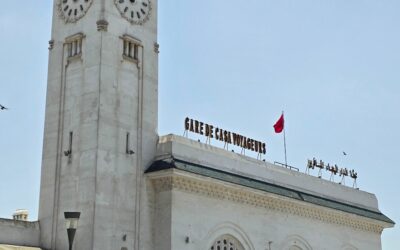
Railway Industry in Morocco: European Investments, Major Infrastructure Projects and Recruitment of Executives and Engineers
« Morocco is establishing itself as one of the most strategic railway markets on the African continent. Driven by an ambitious policy of transport infrastructure modernization, the development of new high-speed railway lines and a determination to strengthen its economic competitiveness, the Kingdom is attracting increasing interest from major European industrial groups specializing in rail transport, railway equipment, engineering and mobility systems.

Nearshoring in Morocco: Why European Companies Are Relocating Their Operations and How They Recruit Talent
« Morocco is increasingly establishing itself as a strategic destination for European companies seeking to bring their industrial operations, services and decision-making centres closer to their traditional markets. In an international economic environment characterised by the transformation of supply chains, the pursuit of competitiveness, geopolitical tensions and recruitment challenges, nearshoring in Morocco offers a response to the evolving needs of international companies.

Chemical Industry in Morocco: European Investment, Industrial Development and Executive Recruitment
« How Morocco is strengthening its attractiveness to European manufacturers and why recruiting executives, engineers and specialized managers is becoming a strategic priority.
Morocco is increasingly establishing itself as a major industrial hub connecting Europe and Africa. Following the expansion of the automotive, aerospace, renewable energy and agri-food industries, Morocco’s chemical and para-chemical industry has become a strategic sector for European investors and international companies.
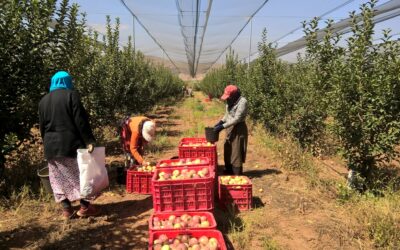
« Morocco is establishing itself as a strategic destination for European agricultural and agribusiness investment. Between farm modernisation, the expansion of food processing industries, agricultural technologies and environmental requirements, companies face a major challenge: recruiting the executives, engineers and business leaders capable of supporting this transformation.

Africa 2030: Investment, Industrialisation and the War for Talent. Why Executive Recruitment Is Becoming a Strategic Priority for International Companies
« Africa is entering a new phase of economic, industrial and demographic transformation. Long regarded primarily as a consumer market or a source of natural resources, the continent is now attracting growing attention from international companies because of its industrialisation prospects, infrastructure development, energy resources and expanding pool of local talent.

Green Hydrogen in Morocco: European Investment, Executive Recruitment and New Industrial Skills
« Morocco aims to become a major player in green hydrogen production in Africa and a strategic energy partner for Europe. Supported by its solar and wind resources, geographical proximity to European markets and renewable energy development strategy, the Kingdom is seeking to establish a new industrial sector capable of transforming its economy over the long term.
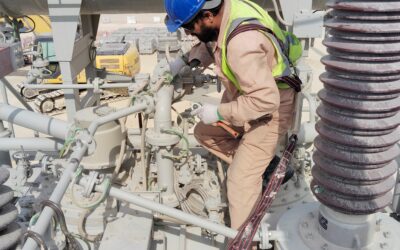
Industrial Equipment and Maintenance in Morocco: European Investment Is Driving Demand for Skilled Professionals and International Recruitment
« Morocco continues its industrial transformation, strengthening its position as one of the most attractive manufacturing and production hubs in the Mediterranean region and across Africa. The establishment of European industrial groups, the development of new production facilities, and the modernization of industrial infrastructure are generating growing demand for technical equipment, industrial maintenance services, and specialized professional skills.

Hospital Investment in Morocco: European Groups Face the Challenges of Recruiting Executives and Healthcare Professionals
« Healthcare infrastructure development, hospital modernization, European partnerships and international recruitment: why Morocco is becoming a strategic market for investors and human resources specialists.
Morocco is undergoing a major transformation of its healthcare sector. The modernization of hospital infrastructure, the expansion of private clinics, the development of medical technologies and the country’s ambitions to improve access to healthcare are creating new opportunities for European companies seeking to invest or expand their operations in the Kingdom.

Mining and Phosphate Processing in Morocco: European Companies Face New Industrial Recruitment Challenges
Morocco holds a strategic position in the global mining industry, particularly thanks to its substantial phosphate reserves and the continued development of its industrial processing activities. Beyond the extraction of natural resources, the Kingdom aims to strengthen its position in international value chains by expanding local processing, chemical manufacturing, energy infrastructure and industrial technologies.

Water, Desalination and Environmental Services in Morocco: Opportunities for European Companies and Recruitment Challenges Towards 2030
« Morocco is undergoing a major transformation in its water sector. Faced with climate change, increasing pressure on water resources, urban expansion and industrial development, the Kingdom is accelerating investments in seawater desalination, wastewater treatment, water reuse and the modernisation of environmental infrastructure.

Electrical Industry in Morocco: Why European Companies Must Rethink Their Recruitment Strategies
Morocco’s electrical industry is undergoing a major transformation, driven by industrial investment, infrastructure development, the expansion of renewable energy and the growing presence of international companies. For European businesses operating in Morocco, this evolution represents a significant growth opportunity, but also a major challenge: identifying, recruiting and retaining the technical and managerial talent required to support their development.
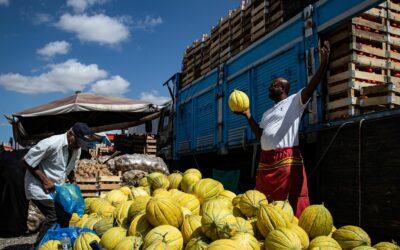
Food Processing Industry in Morocco: European Companies Face New Challenges in Recruiting Executives and Engineers
Morocco’s food processing industry plays a strategic role in the Kingdom’s economic development and in trade relations between Europe and Africa. Driven by agricultural processing, the modernisation of industrial facilities, international investment and increasingly demanding quality standards, the sector represents an important market for European companies.

Logistics and Transport in Morocco: European Companies Face New Recruitment Challenges
Morocco is progressively establishing itself as a strategic logistics hub connecting Europe and Africa. The development of Tanger Med, the modernisation of port infrastructure, the expansion of industrial zones and the growth of trade with the European Union are profoundly transforming the transport, logistics and supply chain sectors.

European Aerospace Industry in Morocco: Talent Recruitment Becomes a Strategic Priority
« Long regarded as an industrial destination primarily focused on labour-intensive manufacturing activities, Morocco has progressively established itself as a recognised player in the international aerospace value chain. This development reflects a profound transformation of the country’s industrial economy, driven by foreign investment, workforce development and the emergence of specialised industrial ecosystems.

Hospitality and Tourism in Morocco: How European Hotel Groups Recruit Their Executives and Managers
Morocco is establishing itself as one of the most attractive tourist destinations on the African continent. The development of hotel infrastructure, investments by international hospitality groups, the expansion of upscale accommodation and the Kingdom’s ambitious tourism strategy are profoundly transforming the sector’s human resources requirements.
For European hotel groups, international investors, restaurant chains and tourism operators, Morocco represents a strategic market offering significant growth opportunities.

European Pharmaceutical Industry in Morocco: What Are the Recruitment Challenges for Laboratories and International Groups?
« Morocco’s pharmaceutical industry is undergoing a strategic transformation, driven by the development of local manufacturing, industrial investment, ambitions for greater healthcare sovereignty, and stronger economic relations between Europe and Africa.

Renewable Energy in Morocco: European Companies Facing the Challenges of Recruiting Engineers, Executives and Senior Managers
« Morocco is progressively establishing itself as one of Africa’s strategic markets for the energy transition. The development of solar power, wind energy, electrical infrastructure, energy storage and green hydrogen projects is creating new opportunities for European companies seeking to invest and expand across the African continent.

German Automotive Industry in Morocco: Why Recruiting Executives and Engineers Has Become a Strategic Priority
« The German automotive industry in Morocco is undergoing a profound transformation. Once regarded primarily as a competitive manufacturing location, Morocco has become a strategic industrial hub for European automotive suppliers, component manufacturers, engineering companies and businesses involved in the technological transformation of mobility.

Recruitment in Morocco: 2027 HR Trends and the Skills Companies Need
« Recruitment in Morocco is a strategic issue for companies seeking to expand their operations, strengthen their teams and improve their competitiveness. In an evolving economic environment, identifying the right candidates, attracting top talent and ensuring successful integration have become key drivers of business performance.

La différenciation RH au Maroc de Pheniciafrica
« Dans un marché de l’emploi marocain en pleine évolution, les entreprises sont confrontées à des enjeux de recrutement, de fidélisation et de développement des compétences de plus en plus importants. Attirer les bons profils, identifier des cadres à fort potentiel, recruter des dirigeants capables d’accompagner une croissance ou encore réussir l’intégration d’un nouveau collaborateur sont devenus des enjeux stratégiques.

Candidate Onboarding and Integration Follow-Up: Securing Successful Recruitment
« Recruiting the right candidate is a critical step for any company. However, the success of a recruitment process cannot be measured solely by the signing of an employment contract or the candidate’s first day at the company.

Competency-Based Interviews: Why Achievements Matter More Than Job Titles
« In international recruitment, one of the most common mistakes is to place too much importance on the job titles listed on a CV.
Managing Director, Sales Director, Chief Financial Officer, Project Director, Country Manager, Business Development Director, Head of Operations: these titles provide an initial indication of a candidate’s career path, but they do not always reveal precisely what the candidate has actually achieved.
The same job title can conceal very different levels of responsibility.

International Adaptability Assessment: How to Identify Executives Who Can Succeed Abroad
In international recruitment, companies naturally look for technical expertise, solid professional experience, leadership capabilities and, for certain positions, highly specialised industry knowledge.

« International recruitment is not simply about finding a candidate in another country. It requires recruiters to understand professional backgrounds, behaviours and communication styles that may be deeply influenced by the cultural environment in which candidates have developed their careers.
This is precisely where the intercultural interview becomes essential.

Recruitment in Africa in 2027: Salaries, Skills Shortages and In-Demand Talent Across 15 Countries
« Recruitment in Africa is entering a new phase. Companies are no longer simply asking where they can find candidates. They increasingly need to identify the skills and leadership capabilities required to support growth, investment and transformation across the continent.
This challenge concerns African companies as much as European and international groups operating in Africa.

France–Afrique : où sont les véritables pénuries de compétences en 2027 ?
« La France manque-t-elle réellement de candidats ou manque-t-elle de compétences disponibles au bon endroit, au bon moment et dans les métiers dont son économie a besoin ?

Why Is It Becoming More Difficult to Recruit the Best Executives in Morocco?
« Morocco has a substantial pool of executives, engineers, managers and young graduates. Yet, paradoxically, recruitment in Morocco is becoming increasingly complex for many international companies when they are looking for specific expertise, an experienced manager or an executive capable of operating effectively between an international organisation and the realities of the Moroccan market.
The challenge is therefore not necessarily the number of available candidates.
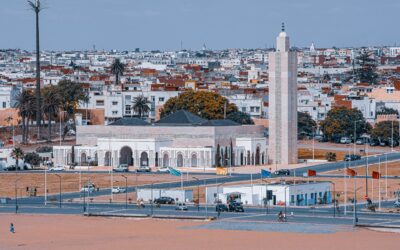
Recruitment in Morocco: How European Companies Can Hire the Best Executives in 2027
« Morocco now holds a strategic position in the development plans of many international companies. Close to Europe, connected to African markets and supported by increasingly diverse talent pools, the Kingdom is attracting companies seeking to establish a subsidiary, expand existing operations, create service centres or build teams capable of managing regional activities.

Africa vs Europe Salaries: Where Does an International Executive Really Have the Best Purchasing Power?
« Does a monthly salary of €6,000 in Paris really provide a better standard of living than an equivalent — or even lower — salary in Casablanca, Abidjan, Dakar or Nairobi?
For an international executive, comparing two professional opportunities solely on the basis of gross salary is probably one of the most common mistakes in international mobility.
The real indicator is not the salary stated in the employment contract.

20 Jobs for Which Europe Could Recruit More African Talent by 2030
« Europe and Africa could be entering a new phase in their economic relationship: one increasingly shaped by the circulation of skills and talent.
For many years, professional mobility between the two continents was primarily viewed through the lens of European executives and experts relocating to Africa. This model remains relevant, particularly for industrial, energy, mining, technology, infrastructure and construction projects.

Are African CVs Misread by European Recruiters?
« Qualifications, experience and skills: moving beyond bias in Europe–Africa recruitment
Can an engineer who has worked in Casablanca, a Sales Director based in Abidjan, a Data Engineer trained in Dakar or an industrial manager who has built a career between Douala and several West African countries be assessed in exactly the same way as a candidate whose entire professional career has taken place in France, Belgium or Switzerland?
On paper, the answer might seem obvious: skills remain skills, regardless of the country in which they were acquired

What If Africa Became Europe’s New Talent Pool for Executives?
« Talent shortages, international recruitment and new Europe–Africa mobility
For decades, professional mobility between Europe and Africa was primarily viewed as a one-way movement: European companies sent executives, engineers and senior managers to Africa to support their international development.
That model is gradually changing.

PHENICIA CONSEIL AFRICAN RECRUITMENT BAROMETER 2027
« 20 countries, skills shortages, in-demand professions, expatriation and new HR strategies
Which African countries will recruit the most in 2027? Which professions will be most in demand? Where will companies face the greatest difficulties in recruiting executives? What skills are required to work successfully in Africa? Should companies continue recruiting expatriates or give priority to local talent?

Recruiting for Africa from Paris, Brussels or Geneva: The Cross-Cultural Mistakes to Avoid
« Recruiting an executive for Africa from Paris, Brussels or Geneva may initially appear to be a relatively conventional international recruitment process: define the position, identify candidates, assess their skills, conduct interviews and select the best profile.

Phenicia Conseil: Intercultural Skills at the Heart of Talent Value
In an increasingly international labour market, recruiting talent is no longer simply about validating a degree, technical expertise or a certain number of years of experience. Companies are now looking for people who can work effectively within multicultural teams, understand different environments, and adapt their management, communication and working methods accordingly.

10 Warning Signs That Can Predict a Failed Expatriation
« In international recruitment, selecting an executive for an expatriate assignment in Africa, Europe, the Middle East or elsewhere is not simply about assessing technical skills, professional experience or seniority. A candidate may have an outstanding résumé and still encounter serious difficulties only a few months after relocating.
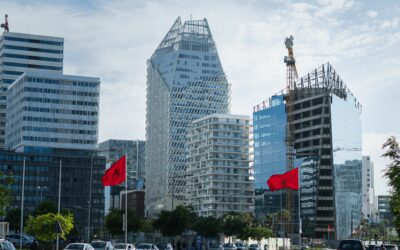
Can Morocco Become the HR Hub of Francophone Africa?
« Morocco is no longer positioning itself solely as an industrial destination or a gateway to the African continent. It is gradually establishing itself as a regional platform from which Moroccan and international companies can manage and develop their activities across Africa.

HR Bridges Between Belgium and Africa: Recruiting, Supporting and Connecting Talent Across Two Continents
« The economic relationship between Belgium and Africa is no longer limited to the historical ties maintained with certain countries on the continent. Today, it is part of a much broader dynamic involving international recruitment, professional mobility, talent acquisition, intercultural management and skills development.

UK–Anglophone Africa: Which Markets Are Attracting International Executives?
« The international recruitment market between the United Kingdom and Anglophone Africa benefits from a unique combination of factors: a shared business language, legal and institutional systems often influenced by British traditions, long-standing economic ties, and a significant circulation of talent between London and major African business hubs.
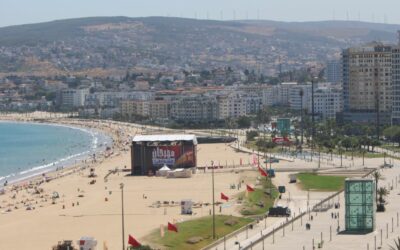
Tangier: Morocco’s Next HR Eldorado?
« For many years, Casablanca has attracted most of the attention from companies and recruitment firms operating in Morocco. As the country’s economic capital, it remains the leading employment hub for executive, financial, commercial and service-related positions. Rabat, meanwhile, retains its major institutional and administrative role.
Recruiting in Casablanca Is Not the Same as Recruiting in Tangier: Two Employment Hubs, Two HR Realities
« Recruitment in Morocco can no longer be approached as if the country were a single, homogeneous employment market. Between Casablanca and Tangier, companies may be recruiting for similar job titles while facing very different realities in terms of talent availability, skills, professional mobility, compensation expectations and workplace culture.

After Ten Years in Africa, Can You Still Return to Work in Europe?
“After ten, fifteen, or sometimes twenty years of professional expatriation in Africa, one question regularly arises among executives and senior managers: is it still possible to return to work in Europe?
The answer is clearly yes. But this return should not be viewed as a simple geographical move. After a long international career, returning to France, Belgium, Switzerland, or Europe more broadly often represents a genuine professional transition.

Recruiting a Managing Director in Morocco: The Skills That Really Make the Difference
« Recruiting a Managing Director in Morocco is no longer simply about finding an experienced executive with an outstanding academic background and several senior management positions on their CV. In a rapidly evolving Moroccan economy, executive recruitment now requires companies to assess a candidate’s ability to combine strategic vision, operational performance, leadership, knowledge of the Moroccan market and cross-cultural intelligence.

Upskilling and Reskilling: How African Companies Are Anticipating Workforce Transformation
« Digital transformation, artificial intelligence, automation, the energy transition and new industrial models are accelerating the transformation of jobs across Africa.
For many African companies, the challenge is no longer simply how to recruit new talent, but how to continuously develop the skills already present within the organisation.

The First 100 Days of an Expatriate Executive in Africa: Why So Much Is Often Decided at the Beginning
« Successfully navigating a professional expatriation in Africa does not depend solely on an executive’s technical expertise, seniority or international experience. Success also depends on their ability to quickly understand their new environment, build relationships based on trust and adopt a management style suited to the local context.

Cultural Humility: An Essential Quality for Expatriate Managers in Africa
“Successfully managing a professional expatriation assignment in Africa does not depend solely on technical expertise, academic background, or the number of years of managerial experience. In international recruitment, one of the most decisive competencies often remains invisible on a CV: cultural humility.

Local Contract or Expatriate Contract in Africa: What Are the Differences for International Executives in 2026?
« The African employment market is evolving rapidly. International companies are no longer the only organisations recruiting expatriate executives: African groups, regional mid-sized companies and major local businesses are increasingly seeking international expertise to support their growth, structure their organisations and manage strategic projects.
This evolution is profoundly transforming compensation policies and international mobility practices. The traditional “all-inclusive” expatriate contract increasingly coexists with a rapidly expanding alternative: the enhanced local contract.

Why Professional Expatriation Remains a Highly Valued Experience on a CV
« Long regarded as little more than an international interlude in a professional career, expatriation is now recognised as an exceptionally valuable experience in terms of skills development. Spending several years working in Morocco, Côte d’Ivoire, Senegal, Algeria, Cameroon, the Republic of Guinea, Gabon or another African country involves far more than simply changing one’s place of work. A professional expatriation assignment requires candidates to challenge their assumptions, understand new cultural codes, adjust certain managerial and commercial reflexes and, above all, learn how to deliver results in an environment that does not necessarily operate according to the models they are accustomed to read more…

Travailler en Afrique en 2026 : quels pays offrent les meilleures opportunités aux cadres expatriés ?
« Travailler en Afrique en 2026 représente une perspective professionnelle de plus en plus attractive pour les cadres internationaux à la recherche de responsabilités opérationnelles, de projets de transformation et d’une expérience professionnelle à forte valeur ajoutée. Le continent africain ne constitue évidemment pas un marché de l’emploi homogène : les opportunités d’expatriation professionnelle varient considérablement entre le Maroc, la Côte d’Ivoire, le Sénégal, le Kenya, le Rwanda, le Ghana, le Nigeria, l’Égypte, l’Éthiopie ou l’Afrique du Sud. Les secteurs économiques, les besoins en compétences, les niveaux de rémunération, les politiques de mobilité internationale et les attentes des employeurs diffèrent fortement d’un pays à l’autre.

The Spouse: The Great Forgotten Stakeholder in European International Groups’ Expatriation Policies
« Professional expatriation is still too often viewed simply as the international relocation of an employee, whereas in most cases it actually involves relocating an entire family balance. Human resources departments devote considerable attention to expatriate compensation, housing, international taxation, social security, children’s schooling, airline tickets and repatriation conditions. Yet one stakeholder who is decisive to the success of international mobility remains regularly underestimated: the accompanying spouse.

How to Successfully Manage a Professional Expatriation to Morocco – Complete HR Guide
« A professional move to Morocco today represents far more than simply changing countries. For an executive, senior manager, engineer, sales professional or technical expert, a professional expatriation to Morocco can become a decisive step in an international career. Its proximity to Europe, strategic position between the Mediterranean and Sub-Saharan Africa, expanding infrastructure, presence of numerous international groups, and the growing importance of Casablanca, Rabat, Tangier and Marrakech give the Kingdom strong advantages when it comes to attracting talent.

Housing, Company Car, School Fees, Flights: What Does an Expatriate Package Still Include in 2026?
« Professional expatriation has changed significantly. Just a few years ago, the image of an expatriate executive was often associated with a particularly generous package: fully company-funded accommodation, a company car, children’s tuition fees at an international school, several return flights per year, international health insurance, expatriation allowances and, in some cases, even coverage of day-to-day living expenses. In 2026, this model has not entirely disappeared, particularly for certain strategic positions and specific destinations, but it no longer reflects the reality of the international recruitment market as a whole.

European HR Directors and Expatriation in Africa: Why Knowledge of Local Employment Law Has Become Essential
« For a European HR Director, recruiting or assigning an employee to the African continent is not simply a matter of adding an international mobility clause to a European employment contract. As soon as an employee works on a long-term basis in another country, human resources management takes on a far more complex legal, social, tax and intercultural dimension. Applicable employment law, professional immigration regulations, social security, expatriate taxation, reporting obligations and termination conditions must all be examined on a country-by-country basis.

Expatriation Contracts in Africa: What Conditions Do European HR Directors Offer Executives from Country to Country?
« International mobility for executives and senior managers moving to Africa has changed considerably. For many years, an expatriation contract was associated with a relatively straightforward model: an attractive European-level salary, a substantial expatriation allowance, company-paid accommodation, a car with a driver, children’s school fees and several return flights per year. Today, European HR Directors increasingly approach expatriation through a broader international mobility policy, although the reality varies considerably depending on the country of assignment, the executive’s level of responsibility, the duration of the assignment and local living conditions.

Recruiting in Africa from Europe: Why European Companies Need a Specialist HR Partner
« Economic relations between Europe and Africa are entering a new phase. For many years, ties between the two continents were primarily viewed through the lens of trade, investment, infrastructure and institutional cooperation. Today, however, this relationship increasingly depends on one decisive factor: human capital.

Recruitment of European Expatriates in Africa: Intercultural Skills at the Heart of New HR Strategies
« The recruitment of European expatriates in Africa remains a major issue for many international companies developing their activities across the continent. Despite the remarkable rise of local skills and African diaspora talent, European companies operating in Morocco, Côte d’Ivoire, Senegal, Cameroon, the Democratic Republic of Congo, Angola, Mozambique, Kenya and South Africa continue to recruit expatriate professionals with technical, managerial or sector-specific expertise that may be difficult to source immediately in a given local market. However, international recruitment in Africa has changed considerably: it is no longer simply a matter of sending a European executive abroad to fill a position.
The challenge today is to identify professionals who can simultaneously understand the requirements of a European headquarters and the economic, social, human and cultural realities of an African business environment.
This transformation is reshaping the practices of international recruitment firms operating in Africa. Professional experience and technical expertise naturally remain essential, but they are no longer sufficient. Cultural intelligence, adaptability, multicultural leadership, knowledge of African markets, language skills, the ability to manage local teams and the capacity to build relationships based on trust have become critical criteria when selecting expatriate executives.
Côte d’Ivoire : la pénurie cachée des managers intermédiaires, le véritable défi RH de la croissance économique
« Depuis plus d’une décennie, la Côte d’Ivoire s’impose comme l’une des économies les plus dynamiques d’Afrique. Son rythme de croissance, la diversification progressive de son tissu industriel, l’amélioration continue des infrastructures, l’essor des investissements étrangers et le développement d’un secteur privé particulièrement entreprenant font d’Abidjan l’une des principales capitales économiques du continent.

Healthcare in Africa: A Decade of Growth Putting Human Resources at the Heart of Development :
Africa’s healthcare sector is entering one of the most transformative periods in its history. Rapid population growth, urbanization, longer life expectancy, expanding middle classes, increased private investment, new hospitals, digital health, telemedicine, artificial intelligence, and biotechnology are reshaping healthcare systems across the continent.

Hôtellerie en Afrique : une croissance record qui crée une forte demande en recrutement et en talents
« Le secteur de l’hôtellerie en Afrique connaît actuellement l’une des plus fortes dynamiques de croissance au monde. Selon les données publiées par W Hospitality, le pipeline hôtelier atteint désormais 675 hôtels et resorts représentant plus de 120 000 chambres, soit une progression de 12,2 % par rapport à l’année précédente.

Economic Strategy of Scandinavian Companies in Africa: Recruitment and Human Resources Challenges
« Over the past decade, Scandinavian companies from Sweden, Denmark, Norway and Finland have steadily expanded their economic footprint across the African continent.
Europe-Afrique : la bataille des talents au cœur de la nouvelle stratégie européenne
« Dans un contexte international profondément bouleversé par la montée en puissance de la Chine, de l’Inde, des États-Unis, de la Russie et des pays du Golfe, l’Afrique est devenue l’un des principaux théâtres de la compétition économique mondiale.

HR Needs of Italian Companies in Algeria
« The growing economic relationship between Italy and Algeria is driving significant changes in human resource requirements. Historically centered on the hydrocarbons sector, cooperation between the two countries now extends to industry, infrastructure, agriculture, agribusiness, pharmaceuticals, renewable energy, mechanical engineering, and technology services.

Job Titles: A Strategic Human Resources Issue
“In Human Resources, choosing a job title is far more than a matter of communication or employer branding. It serves as a genuine reference point for identifying the level of responsibility, the competencies required, the scope of management, and an individual’s position within the organization.

Germany’s Economic Strategy in Africa: What Are the Implications for HR and Recruitment?
« For many years, Germany’s relationship with Africa was viewed primarily through the lens of development assistance. Today, however, this relationship has taken on a far more economic and strategic dimension. Berlin aims to build long-term partnerships with African countries based on investment, industrialization, energy transition, vocational training, and job creation.

Swiss Companies in Africa: Recruitment Needs by Profession and Function, HR Trends, and Career Opportunities
“Swiss companies in Africa play a strategic role in the continent’s economic development. Operating across a wide range of industries—including agribusiness, pharmaceuticals, financial services, energy, infrastructure, technology, trade, and commodities—they contribute to the creation of skilled jobs and the transfer of expertise.

European HR Talent Needs in Africa’s Hospitality Industry
« Africa’s hospitality industry has undergone profound transformation over the past several years. Rising international investment, expanding tourism infrastructure, the growth of business travel, and the arrival of new international hotel brands have significantly reshaped human resource requirements. For European Human Resources Directors (HRDs), Africa is no longer simply an emerging market—it has become a genuine talent pool and a strategic region for supporting the industry’s long-term growth.

The Needs of European HR Directors for Their Subsidiaries in Morocco
« Over the past fifteen years, Morocco has established itself as one of the preferred destinations for European investors. Its political stability, modern infrastructure, close proximity to the European market, and highly qualified human capital make it an ideal platform for managing operations across Europe, Africa, and the Middle East.

What European HR Leaders Need to Understand About Africa’s Human Resources Market
« Africa is no longer a market of the future—it is a market of today. Sustained economic growth, rapid urbanization, a young and increasingly skilled workforce, and the emergence of new innovation hubs are transforming the continent into a strategic destination for international companies.

Kenya: Africa’s Digital Talent Hub
« Kenya is widely recognized as one of Africa’s leading technology hubs. Backed by a rapidly expanding digital ecosystem, a young and highly skilled workforce, and a business environment that fosters innovation, the country continues to attract international companies seeking digital talent, software developers, software engineers, and technology professionals.

Transcontinental Remote Work: Is Africa Becoming the New Talent Pool for European Companies?
“Since the 2020 global health crisis, remote work has become a powerful catalyst for transforming human resource management. What was once considered a marginal way of working has evolved into a strategic component of international HR policies.

L’emploi des femmes : perspectives Afrique-Europe
« L’emploi des femmes constitue aujourd’hui un enjeu majeur pour les entreprises, les gouvernements et les directions des ressources humaines à travers le monde. Dans un contexte marqué par la transformation des marchés du travail, la digitalisation des métiers, les pénuries de compétences et les nouvelles attentes sociétales, l’intégration et la promotion des femmes dans l’économie représentent un levier essentiel de performance durable.

Comparison of European Investments in Africa: France, Germany, and Italy Versus China
« Africa has become one of the world’s main arenas for economic competition. With a population expected to exceed 2.5 billion by 2050, rapid urbanization, strategic natural resources, and a growing middle class, the continent is attracting significant investments from major global economic powers.

European Investments in African Infrastructure: Roads, Ports, Digital Networks
« Africa has been undergoing a major economic transformation for several decades, driven by population growth, rapid urbanization, and the expansion of international trade. In this context, infrastructure serves as a crucial lever for enhancing the competitiveness of African economies and promoting regional integration. Significant needs remain in the areas of roads, ports, railways, energy networks, and digital infrastructure.

How to Build a Sustainable HR Strategy Between Africa and Europe in the Context of the War for Talent
“The war for talent has become one of the major challenges facing both European and African companies. The acceleration of digital transformation, demographic shifts, growing demand for specialized skills, and the internationalization of labor markets are profoundly reshaping recruitment and human resource management strategies.

Human Resources in Morocco: A Strategic Lever at the Heart of Economic Transformation and International Attractiveness
“Morocco is now establishing itself as one of the most attractive economies in Africa and the Mediterranean region. Thanks to its political stability, modern infrastructure, proximity to Europe, and skilled workforce, the Kingdom attracts numerous international companies every year. This economic momentum places Human Resources (HR) in Morocco at the center of organizational growth strategies.

Phénicia Conseil, the Talent Bridge Between Europe and Africa: HR Expertise Serving International Recruitment
“In a context of accelerated globalization, talent shortages, and profound transformations in labor markets, European companies are increasingly seeking innovative recruitment solutions to support their growth. Africa has emerged as an exceptional talent pool, driven by a young, skilled, and rapidly growing workforce. However, recruiting in Africa cannot be improvised. It requires a deep understanding of local labor markets, economic realities, cultural specificities, and regulatory frameworks unique to each country.

The Expectations of Young Ivorian Talent: A Strategic Challenge for Companies in Côte d’Ivoire
“Côte d’Ivoire is experiencing rapid economic transformation driven by a young, dynamic, and increasingly qualified population. In this context, companies must adapt their human resources practices to attract, recruit, and retain young Ivorian talent. Understanding their expectations has become an essential lever for strengthening employer branding and improving organizational performance.

The Most Sought-After and Most Difficult Positions to Recruit for in Côte d’Ivoire in 2026
“Côte d’Ivoire has established itself as one of the most dynamic economies in Africa. This sustained growth is generating strong demand for qualified talent across numerous sectors. National and international companies operating in the country face significant recruitment challenges, particularly for certain strategic positions where available skills remain limited.

Human Resource Needs of Hospitals and Clinics in Africa in 2026
« The healthcare sector in Africa is undergoing rapid transformation in 2026. Population growth, accelerated urbanization, international investments in hospital infrastructure, and the expansion of private clinics are creating strong pressure on the demand for medical and paramedical human resources. In many African countries, public hospitals and private clinics must recruit extensively to address new healthcare, technological, and organizational challenges.

The Diversity of Professional Cultures
“In a globalized economic environment, the diversity of professional cultures has become a real asset for companies. Organizations that encourage cultural diversity within their teams develop greater innovation capacity, smoother communication, and broader openness to international markets.

Phénicia Conseil: Career Architects, Far Beyond Executive Search
« In the world of human resources, the term “headhunter” is often used to describe firms specialized in recruiting strategic profiles. However, this expression generally reflects a transactional and short-term approach: identifying a candidate, contacting them for a specific position, and finalizing a recruitment process.

Shortage of Biomedical Talent in Africa
« The African biomedical sector is currently experiencing a severe shortage of qualified talent. Hospitals, private clinics, pharmaceutical laboratories, and medical device manufacturers are facing major recruitment challenges. This HR pressure particularly affects technical and scientific healthcare professions.

Recruiting a Hospital Director in Africa
« The recruitment of a Hospital Director in Africa has become a major challenge for public healthcare institutions, private clinics, international hospital groups, and medical organizations operating across the African continent.
Faced with population growth, evolving healthcare needs, and the modernization of medical infrastructures, African hospitals must now rely on skilled leaders capable of managing complex organizations.

Economic Projects of Portuguese Companies in Africa
“For several years, Portuguese companies have been strengthening their presence across the African continent. This dynamic is explained by the historical, linguistic, and commercial ties between Portugal and several Portuguese-speaking African countries such as Angola, Mozambique, Guinea-Bissau, Cape Verde, and São Tomé and Príncipe.

The Economic Projects of Austrian Groups in Africa
“Austrian groups are strengthening their economic presence in Africa through strategic investments in hydraulic infrastructure, water treatment, desalination, and environmental technologies. This dynamic particularly concerns North Africa and Algeria, which today represents Austria’s third-largest trading partner in Africa.

The German Expansion of the Pharmaceutical Sector in Africa
« The German pharmaceutical industry is progressively strengthening its presence in Africa in order to address public health challenges, local drug production, and healthcare sovereignty. Several German companies are investing in industrial partnerships, laboratories, manufacturing units, and pharmaceutical distribution programs across the African continent.

Italy’s Economic Ambitions in Africa: Opportunities, Careers, and Human Resource Needs
“For several years, Italy has been developing an ambitious economic strategy in Africa aimed at strengthening trade relations, securing energy supplies, and supporting investments by Italian companies. This momentum is notably part of the Mattei Plan, an initiative led by the Italian government to build sustainable partnerships with several African countries.
Commonwealth HR Challenges for London Companies
« London has long been recognized as one of the most powerful international business capitals in the world. Its economic influence extends across finance, technology, consulting, engineering, healthcare, education, logistics, and international trade. One of the major advantages enjoyed by London companies comes from their historical, cultural, and commercial ties with Commonwealth countries.
Why Spanish SMEs choose Morocco for their industrial expansion
“Over the past several years, Morocco has established itself as a key destination for Spanish companies seeking to accelerate their international industrial development. This dynamic particularly concerns Spanish SMEs, which see the Kingdom as a stable, competitive economic environment strategically positioned between Europe and Africa.
Le marché des cadres en Côte d’Ivoire en 2026 : secteurs porteurs, métiers d’avenir et grilles salariales
« La Côte d’Ivoire confirme en 2026 son statut de locomotive économique de l’Afrique de l’Ouest. Avec une croissance soutenue, une urbanisation accélérée et l’arrivée de nouveaux investisseurs internationaux, le marché de l’emploi des cadres connaît une profonde mutation. Les entreprises recherchent désormais des profils qualifiés capables d’accompagner la transformation digitale, l’industrialisation et la modernisation des organisations.
Automobile & Poids Lourds : un moment de vérité pour les dirigeants européens
Automobile & Poids Lourds : un moment de vérité pour les dirigeants européens
« Avec plus de 30 ans dans l’automobile et le poids lourds, dont 25 ans à l’international, j’ai travaillé aux côtés de constructeurs européens, asiatiques et américains, dirigé une société en Arabie Saoudite, restructuré des réseaux multi marques et conduit un redressement complet à Mayotte, en pleine crise opérationnelle et climatique.

Phénicia Conseil : une référence internationale dans le recrutement médical et hospitalier
« Depuis plusieurs années, Phénicia Conseil s’est affirmé comme l’un des cabinets de recrutement internationaux les plus performants dans la recherche, la sélection et l’évaluation de médecins spécialistes, cadres de santé, infirmiers qualifiés et personnel hospitalier technique.

Le réseau professionnel : mythe ou réalité dans la gestion de carrière ?
« Le réseau professionnel est aujourd’hui présenté comme un levier incontournable de réussite dans toute stratégie de gestion de carrière. Dans les conférences, les formations en management, ou encore les discours sur l’employabilité, il est devenu presque évident que le succès dépendrait directement de la taille et de la qualité de son réseau. Il faudrait le développer, l’entretenir, l’activer en permanence. La visibilité, la présence et l’engagement seraient les clés d’un réseau performant. Pourtant, derrière cette injonction constante à « réseauter », la réalité du réseau professionnel apparaît souvent bien plus fragile, parfois même décevante.